Complete guide
What to do after a crash that was not your fault
Being clearly not at fault does not make the claim simple. Here is what to do in the first days, and the mistakes that quietly cost people money.
Updated September 23, 20264 min readReviewed by My Wreck Check Editorial Team, editorial review: primary sources checked and independently fact-checked
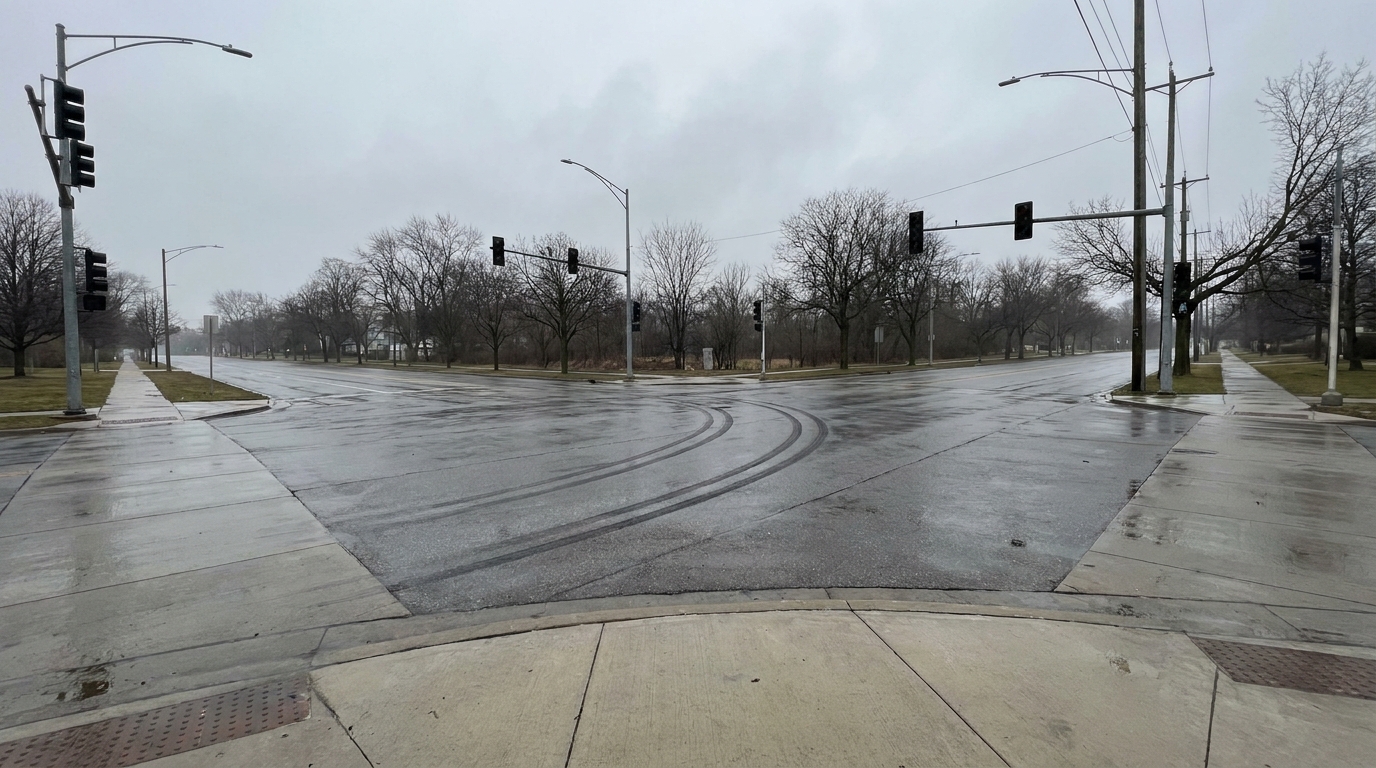
Someone else ran the light, or came out of a junction without looking, or hit you from behind while you were stationary. Fault is not really in dispute. It is tempting to assume the rest takes care of itself.
It mostly does not, and the reason is worth understanding: fault and value are two separate arguments. Winning the first one tells you who pays. It says nothing about how much, and that second conversation is usually the longer and more expensive one.
In the first 48 hours
Get checked, even if you feel fine. Neck and back symptoms routinely surface a day or two later, and a gap between the crash and the first appointment is the most common argument used to say the injury came from something else. In a no-fault state this is a hard rule rather than a judgement call: Florida Statutes 627.736 pays your medical expenses only if you receive initial care within 14 days.
Photograph more than you think you need. Both vehicles, from several angles and from far enough back to show the road layout. Skid marks, debris, the state of the light, any signage. These disappear within hours.
Get the police report number, and the names and numbers of anyone who stopped. Independent witnesses are the thing that ends a fault argument before it starts.
Tell your own insurer. Reporting is not the same as claiming, and most policies require prompt notice regardless of who was at fault. Delay can itself become a problem.
Your own policy is often where this starts
This surprises people who were not at fault at all. (For the difference between a claim on your own policy and one on the other driver's, see how a car accident claim works.) If you were riding as a passenger, see I was a passenger in a car accident, who do I sue? for which policy a passenger claims on first.
In a no-fault state, your own personal injury protection pays your medical bills and part of your lost income first, whoever caused the crash. Florida's PIP covers 80 percent of reasonable medical expenses and 60 percent of lost gross income, to a limit of 10,000 dollars. Note both of those figures: it is not designed to make you whole, and the shortfall is part of what a claim against the other driver is for.
In an at-fault state, the other driver's liability insurance is the target, but their minimum limits may be far below your bills. Texas requires only 30,000 dollars per injured person. If your treatment runs past that, the gap does not come from nowhere, it comes from your own underinsured motorist coverage, if you have it. Texas insurers must offer it to you, so it is worth checking your declarations page rather than assuming.
The quiet mistakes
Giving a recorded statement to the other side straight away. Their adjuster is pleasant, and their job is to establish the record early, while you are still unsure how hurt you are. You are generally not obliged to give one. Your own insurer is a different matter, since your policy usually requires you to cooperate.
Saying you are fine. People say it reflexively at the roadside. It reappears later as evidence.
Accepting the first offer because fault was obvious. Clear fault often produces a fast offer, and a fast offer arrives when your documented losses are at their lowest. Signing a release closes the claim permanently. The guide on what happens when you reject an insurance settlement offer explains what saying no sets in motion.
Letting treatment lapse. Gaps get read as recovery, whatever the reason for them.
Assuming there is plenty of time. There is a fixed deadline running, and it does not care that the crash was not your fault.
What being not at fault is actually worth
It removes the single biggest reduction that can be applied to a claim. Where you share the blame, your percentage comes straight off what you recover, and past a threshold most states remove it entirely. Georgia bars recovery at 50 percent or more; Texas, Illinois and Florida bar it above 50 percent; Arizona reduces without ever barring.
Being clearly not at fault means none of that machinery applies to you. That is a real advantage, and it is worth protecting by not handing the other side an argument that you contributed something. If the other side does dispute it, the guide on how to tell who is at fault in a car accident explains who makes that call and what evidence they weigh.
Common questions
If it clearly was not my fault, do I still have to use my own insurance?
Sometimes, and in a no-fault state usually. Florida requires your own personal injury protection to pay first regardless of who caused the crash. Even in an at-fault state, using your own collision cover can be faster, and your insurer then recovers from the other side.
Should I give the other driver's insurer a recorded statement?
You are generally not obliged to give a recorded statement to the other side's insurer, and it is worth understanding why they want one before agreeing. Your own policy usually does require you to cooperate with your own insurer.
What if the other driver was uninsured or drove off?
The claim shifts to your own uninsured motorist coverage, which many people have without realising. In Texas insurers must offer it to you, so check your declarations page before assuming you have no route.
How long do I have to do something about it?
Most states give two years from the crash to file. Tennessee gives one. If a government vehicle was involved the notice period can be a matter of months. The deadline checker on this site lists the statute for each state we have verified.
Does not being at fault mean I get everything I ask for?
No. Fault and value are separate arguments. Establishing the other driver caused the crash settles who pays, not how much, and the second argument is usually the longer one.
Sources
- Texas Department of Insurance, Auto insurance guide
- Florida Statutes 627.736 (personal injury protection benefits)
- Tennessee Code Annotated 28-3-104 (one-year limitation for injuries to the person)
- NAIC, Auto insurance consumer information
By My Wreck Check editorial team. First published September 23, 2026. Advertiser disclosure
Keep reading